


Viber is a widely used messaging application that enables people and businesses to communicate over the internet using text messages, voice and video calls, and rich media. While it is less visible in English-speaking markets, Viber plays a dominant role in customer communication across many Central, Eastern, and Southern European countries.
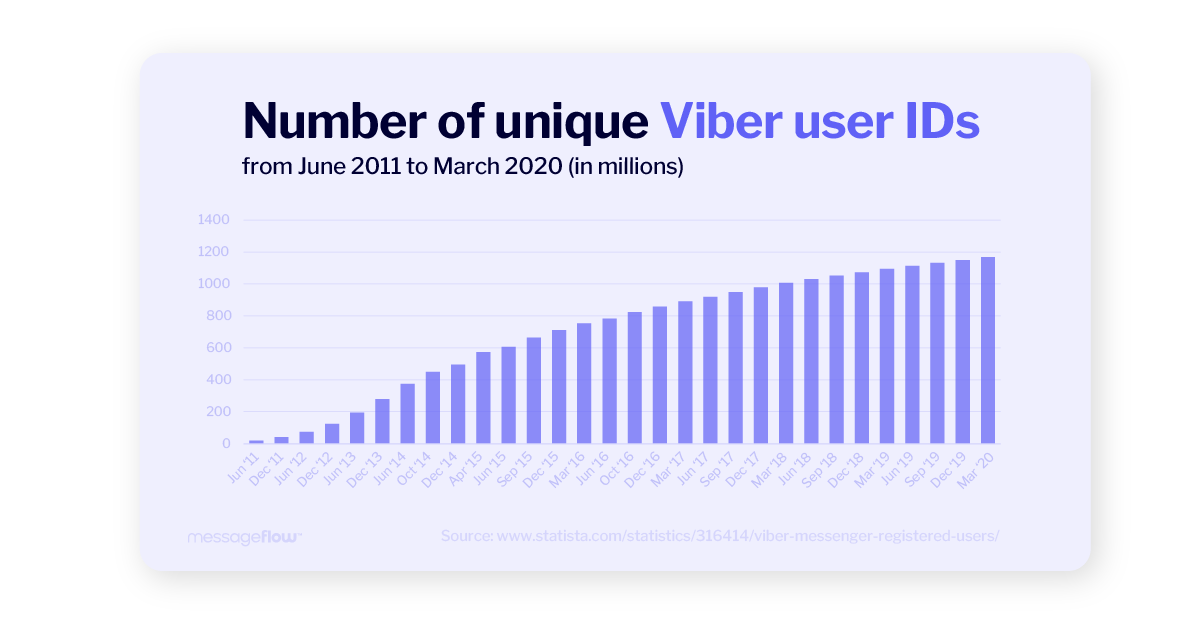
In an increasingly crowded digital landscape, effective multi-channel marketing depends on using platforms your audience already relies on every day. Email, SMS, and Mobile Push remain essential channels, but modern strategies go further—by incorporating regionally dominant OTT messaging apps such as Viber.
In markets where Viber is a primary communication tool, brands that ignore this channel risk missing a large share of their reachable audience.
In this guide, we explain:
- what Viber is and how it works,
- where Viber is most popular and who uses it,
- how companies use Viber for marketing and customer communication,
- and why Viber for Business is a key channel in selected European markets.
What Is Viber?
Viber is a Voice over IP (VoIP) and instant messaging application that allows users to send messages, make voice and video calls, and share media over an internet connection. The app is available on iOS, Android, Windows, and macOS, enabling seamless communication across mobile and desktop devices.
For individual users, Viber serves as a powerful alternative to traditional SMS and phone calls—offering richer formats, lower costs, and greater flexibility.
For businesses, Viber provides access to a trusted, familiar messaging environment where customers are already active, engaged, and responsive.
Unlike email or standalone mobile apps, Viber does not require users to adopt a new platform—it integrates directly into their daily communication habits.
Key Viber Features
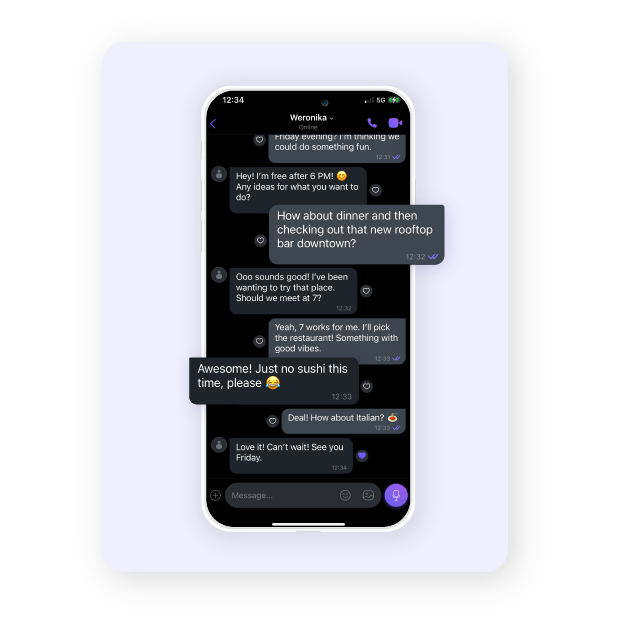
Viber offers a comprehensive set of features that support both personal and business communication:
- High-quality voice and video calls
- Instant messaging with images, videos, and file attachments
- Voice messages for quick, hands-free communication
- Message editing and deletion
- Disappearing messages for enhanced privacy
- Group chats and group calls
- Viber Communities for managing large audiences
- Stickers, GIFs, and custom visual elements
- Cross-device synchronization between mobile and desktop
These capabilities make Viber a full-fledged communication platform and a strong foundation for scalable customer engagement.
Who Uses Viber the Most?
While WhatsApp and Facebook Messenger dominate many Western European and North American markets, Viber is the leading messaging app in large parts of Central, Eastern, and Southern Europe.
Its popularity is best illustrated by smartphone penetration—the percentage of smartphones with Viber installed.
Viber shows exceptionally high adoption in:
- Belarus – leading messaging app
- Bulgaria – ~94% smartphone penetration
- Greece – over 90% penetration
- Serbia – ~94% penetration
- Ukraine – nearly all Android users use Viber
- The Balkans – around 90% penetration
This translates into tens of millions of active users who treat Viber as their primary communication channel.
For businesses operating in these regions, Viber is not an “optional” channel—it is often one of the most effective ways to reach customers directly.
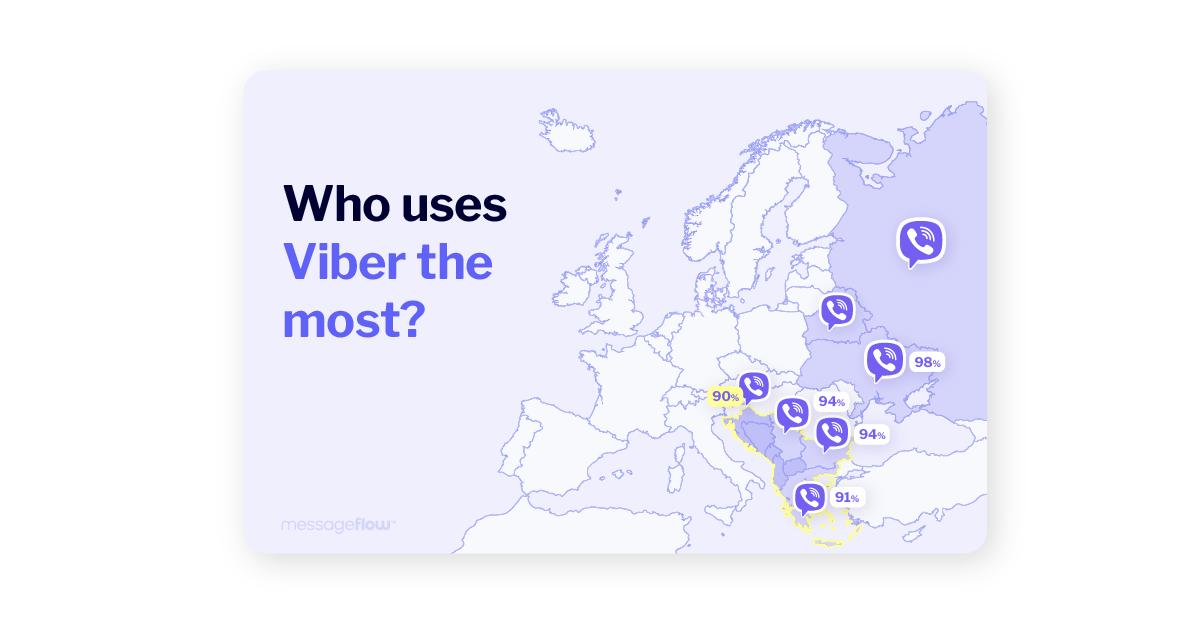
❗ This translates to a target user group going into tens of millions, hardly a number you can ignore.
What Is Viber for Business?
Viber for Business enables companies to communicate with customers through official, verified business profiles inside the Viber app. It supports promotional messaging, transactional notifications, and real-time conversations—all delivered in a secure and recognizable environment.
Much like RCS Business Messaging, Viber verifies business senders, allowing users to immediately identify trusted brands. This verification significantly increases credibility, open rates, and engagement compared to unbranded or unknown messaging channels.
Because Viber is a socially oriented platform—with features such as chats, reactions, and Communities—users expect interactive and conversational communication, not one-way broadcasts. For businesses, this creates an opportunity to build more personal, relationship-driven customer interactions.
How Businesses Use Viber for Marketing and Communication
Viber for Business supports multiple use cases across the entire customer lifecycle:
- Promotional messaging – product launches, sales campaigns, special offers
- Transactional messages – order confirmations, shipping updates, appointment reminders (via API)
- Conversational messaging – real-time customer support and relationship building
Viber Business messages can include:
- up to 1,000 characters of text,
- clickable links,
- images and videos,
- interactive buttons and CTAs.
Detailed delivery and read reports help businesses measure performance and optimize timing and content.
If a message is not delivered immediately, Viber supports automatic retries, improving overall campaign reliability. The platform also includes an in-app unsubscribe mechanism, supporting transparency and regulatory compliance.
Viber for Business API and Automation
The Viber for Business API allows companies to integrate Viber with CRM systems, marketing automation platforms, and eCommerce or retail technology stacks. This enables:
- automated messaging workflows,
- consistent communication across channels,
- advanced personalization based on customer data,
- and scalable customer outreach.
A key API feature is chatbot support, which enables 24/7 customer service and automated handling of frequently asked questions. This reduces operational workload while maintaining a high standard of customer experience.
The API supports rich message formats, including images, GIFs, QR codes, buttons, links, and stickers. All API communication is secured via HTTPS.
Viber Business Account: What Does It Offer?
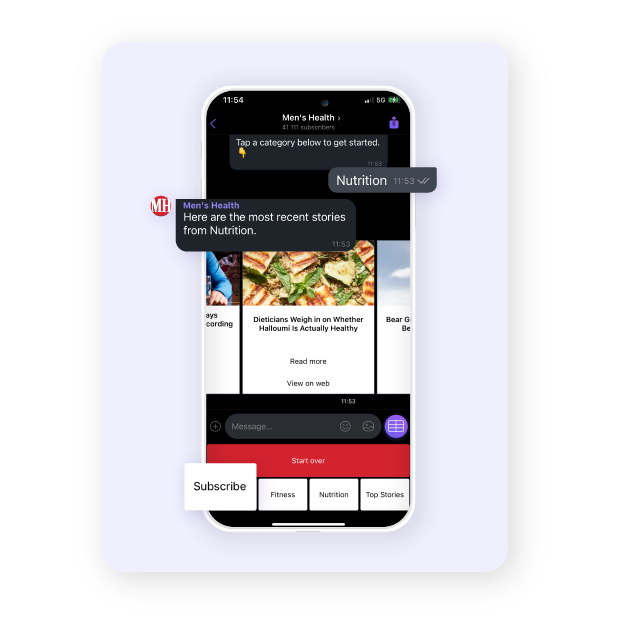
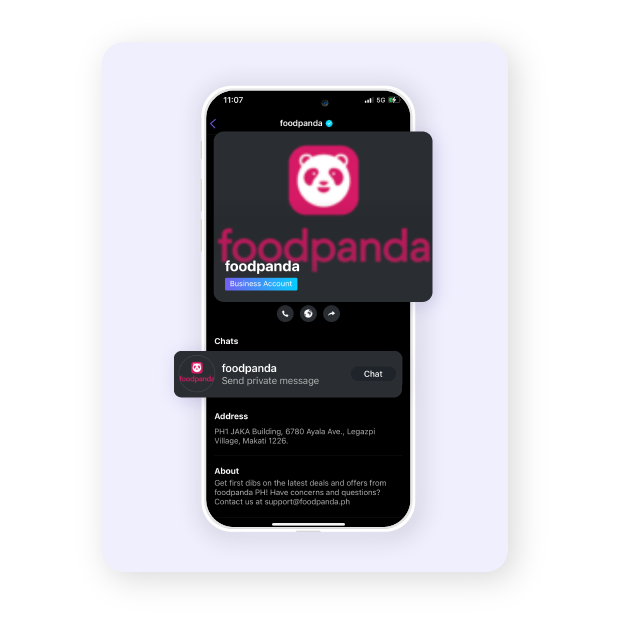
A Viber Business Account functions as a public brand profile within the Viber ecosystem. Users can easily find and follow businesses using the app’s built-in search.
With a Business Account, companies can:
- display product catalogs directly in the app,
- send broadcast messages to followers,
- manage one-to-one conversations,
- run large-scale messaging campaigns from a single channel.
Businesses typically use three main message types:
- Promotional messages – offers, discounts, product launches
- Transactional messages – confirmations and service notifications (API-based)
- Conversational messages – live customer interactions
This flexibility makes Viber Business Accounts well suited for both marketing and customer support use cases.
Viber in a Multi-Channel Marketing Strategy
With hundreds of millions of active users worldwide, Viber is a critical channel for companies targeting selected European markets. As mobile messaging continues to grow, OTT apps like Viber are becoming central to modern communication strategies.
Viber works best as part of a multi-channel approach, complementing Email, SMS, and Mobile Push. In regions where Viber is widely adopted, it often delivers significantly higher visibility and engagement than email alone.
Using Viber alongside other channels allows brands to:
- reach customers in their preferred communication environment,
- maintain message consistency across touchpoints,
- increase overall campaign effectiveness.
Enhance Your Strategy with Viber Business Messaging from MessageFlow
MessageFlow enables businesses to integrate Viber for Business into multi-channel marketing campaigns from a single platform. Using verified business profiles, brands can deliver trusted messages directly to users in an environment they already know and trust.
By combining Viber with Email, SMS, and Mobile Push, companies can create a consistent omnichannel customer experience and reach audiences more effectively across the entire customer journey.
💡 Campaigns we’ve already run with some of our clients in countries like Ukraine, Serbia, and Bulgaria have shown an impressive average view rate of 56% which is way higher than what you can expect with Email open rate, for example. Plus, if your list has contacts with no Viber installed, your message will be automatically turned into an SMS and still delivered.
If you are looking to strengthen your multi-channel communication strategy in Europe, Viber for Business is a channel worth serious consideration. MessageFlow supports you throughout the entire process—from sender ID setup to launching and optimizing your first campaign.
Ready to transform your multi-channel strategy with Viber for Business? Contact us to get started today!
FAQ – Frequently Asked Questions About Viber and Viber for Business
Viber is an internet-based messaging and calling application (VoIP) that allows users to send text messages, make voice and video calls, and share multimedia. It works on smartphones and computers and is widely used in many European countries as a primary communication channel.
Yes. Viber is free for personal use as long as the user has an internet connection. Messages and calls between Viber users are free. Charges may apply only for calls to mobile or landline numbers outside the app (Viber Out).
Unlike SMS, Viber works over the internet and supports rich content such as images, videos, buttons, and links. It also enables real-time conversations, delivery and read receipts, and higher levels of personalization—especially important for business communication.
Viber is particularly popular in Central, Eastern, and Southern Europe, including Bulgaria, Greece, Serbia, Ukraine, and the Balkan countries. In some of these markets, Viber has over 90% smartphone penetration.
Viber for Business is a solution that allows companies to communicate with customers through official, verified business profiles inside the Viber app. It supports promotional, transactional, and conversational messaging in a trusted and secure environment.
Yes. Businesses can send promotional messages such as special offers, product launches, and campaigns using Viber for Business. Messages can include rich media, links, and interactive buttons, making them more engaging than traditional SMS.
Yes. Viber is well suited for customer support thanks to real-time conversations, message history, and chatbot integration via the API. Customers can contact brands in an environment they already use daily.
The Viber for Business API allows companies to automate messaging, integrate Viber with CRM and marketing automation systems, and scale communication. It also enables chatbots, personalization, and transactional messaging.
Absolutely. Viber works best alongside Email, SMS, and Mobile Push as part of a multi-channel or omnichannel strategy. In regions where Viber is widely used, it often delivers higher engagement than email alone.
If a recipient does not have the Viber app installed, messages can automatically fall back to SMS (depending on the setup). This ensures message delivery and maximizes campaign reach.